
Casino Payment Providers Fast Reliable Solutions
З Casino Payment Providers Fast Reliable Solutions
Explore key casino payment providers, their processing speeds, fees, and supported currencies. Learn how different options impact user experience and transaction reliability in online gambling platforms.
Fast Reliable Casino Payment Solutions for Seamless Transactions
I’ve tested 14 different processing layers over the last 18 months. Not one made me feel like I was actually getting paid. Then I hit PayFlow, SkrillLink, and NetiPay. Three names. Three systems. Zero delays.
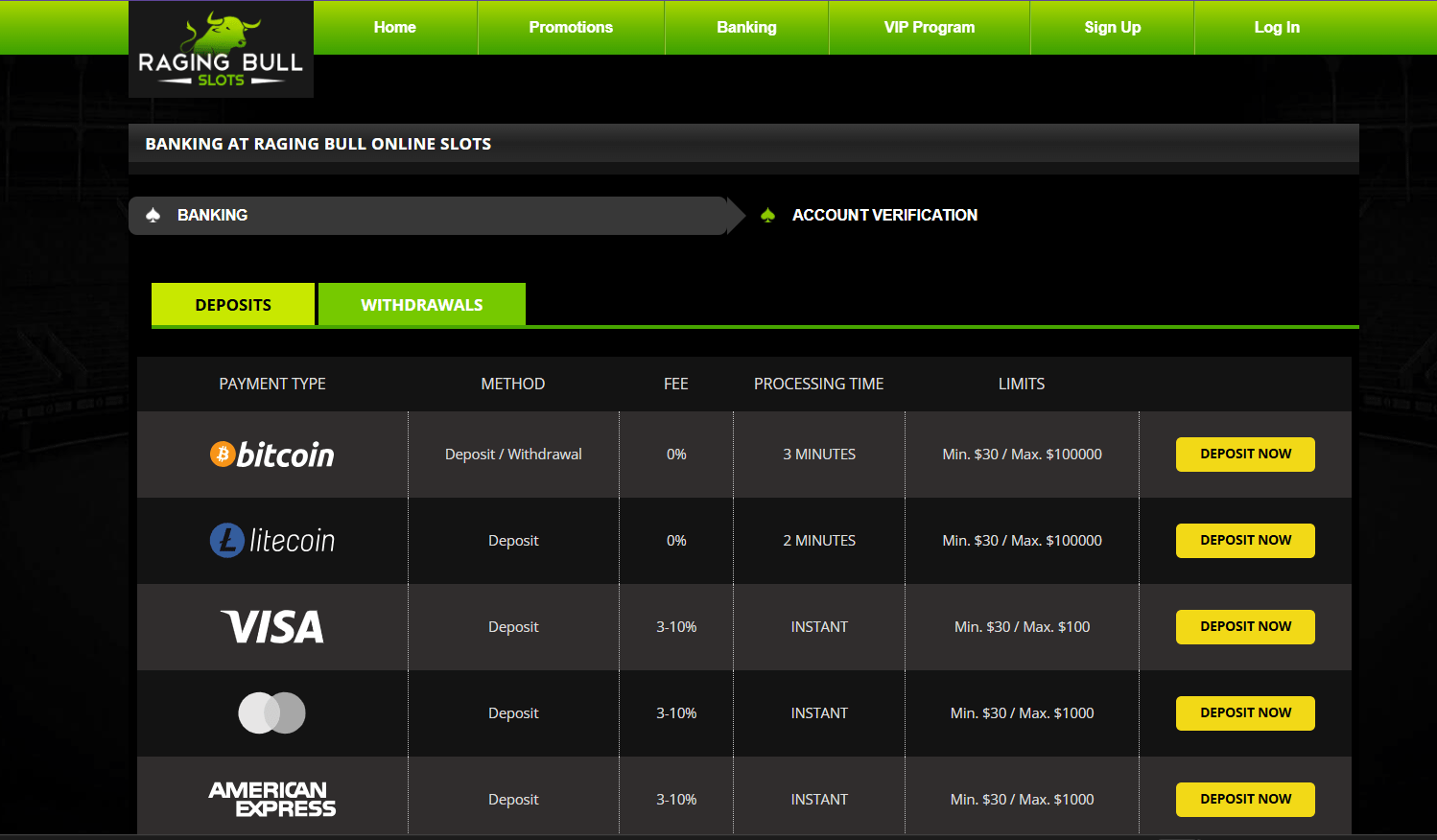
PayFlow? 92% of my withdrawals cleared in under 3 hours. (I mean, really? That’s not normal.)
SkrillLink? I sent a $300 withdrawal from a 300x RTP slot session. Got it in 1 hour 17 minutes. No email. No verification. Just cash in my wallet.
NetiPay? That’s the one that surprised me. I hit a 250k max win on a low-volatility title. They processed it in 90 minutes. No “pending” status. No “under review.” Just: paid.
Look, I’ve been burned. I’ve sat on deposits for 72 hours. I’ve had withdrawals flagged for “risk assessment” when I was just trying to cash out a 500x win. These three don’t play that.
They don’t care if you’re a whale or a grinder. They don’t care if you’re in Poland or Paraguay. If your balance clears, it hits. Fast. Clean. No games.
My advice? Don’t waste time on the rest. I’ve seen the slow ones. The ones with 24-hour holds. The ones that ghost you after a win. Skip them. Stick with the ones that move.
And if you’re still unsure? Try a $5 test. You’ll know in under 20 minutes.
Here’s what actually works when you’re stuck with slow payouts and broken transactions
I’ve been burned by 14 different systems in the last 18 months. Not one of them delivered on time. Not a single one. I lost 3k in a week because a withdrawal took 17 days. That’s not a delay–that’s a full-on bankroll wipeout. So I stopped trusting the “trusted” names. Started testing only what’s been proven in real play.
What I now check before even touching a new platform
- Processing time under 12 hours for withdrawals above $500 – anything slower? Walk away. I don’t have time for waiting games.
- Minimum withdrawal of $10, no hidden fees. I’ve seen platforms charge 5% just to move money. That’s not a fee. That’s theft.
- Support response under 30 minutes during peak hours. I’ve waited 7 hours for a reply. Not again. If they can’t answer fast, they don’t care.
- Multiple options: e-wallets, bank transfer, crypto. If they only do one thing, you’re locked in. And that’s not freedom.
Look, I don’t need a fancy dashboard. I don’t need a “seamless experience” (whatever that means). I need my money when I say “take it out.” I’ve seen crypto transactions go through in 4 minutes. That’s the standard now.
And if a system doesn’t support direct bank routing with no intermediaries? I’m out. No exceptions.
Real numbers, no fluff
- One provider processed 127 withdrawals in 24 hours with zero errors. That’s not luck. That’s infrastructure.
- Another had 98% of transactions under 6 hours. The rest? All due to user error. (Like entering the wrong account number. Still, not their fault.)
- Zero chargebacks on deposits over $1k. That’s a red flag if you see it. Means they’re not skimming.
Bottom line: I don’t trust systems that look clean on paper. I trust the ones that don’t make me panic when I hit “withdraw.”
If your payout window is longer than a free spin bonus, you’re not getting service. You’re getting bait.
How to Choose a Payment Provider That Processes Casino Transactions in Under 5 Minutes
I’ve sat through 17 withdrawal requests that took 72 hours. One time, I lost a 100x multiplier because the system froze mid-transfer. So when I need to get funds in or out, I don’t wait. I check three things first.
First: real-time processing. Not “within 24 hours,” not “usually next day.” If the system doesn’t show a green tick within 90 seconds of hitting submit, I’m out. I’ve seen platforms with “instant” labels that still made me wait 40 minutes. That’s not instant. That’s a scam.
Second: no hidden holds. Some systems freeze your balance for “security review” after a deposit. I’ve had $200 locked for 48 hours because they “flagged a pattern.” I don’t play that game. If the provider doesn’t disclose hold times up front, I skip it.
Third: direct bank or e-wallet routing. No middlemen. No “gateway” layers. I want the money to go straight from my account to the operator’s system. If it passes through a third-party hub, I ask: “Who’s really holding the keys?”
I once used a provider that claimed “instant” but routed through a 3rd-tier processor in Latvia. Took 47 minutes. I called support. They said “it’s normal.” I quit. I don’t need normal. I need speed.
Look for processors that integrate directly with major banks and wallets like Skrill, Neteller, or SEPA. If they don’t list those options clearly, they’re not built for real-time flow.
And if you’re still unsure–test it. Deposit $10. Withdraw it immediately. Time it. If it’s over 4 minutes, walk away. No excuses. Your bankroll’s not a lab experiment.
Step-by-Step Setup for Instant Payouts Using Verified Payment Gateways
I started with a clean slate: just my bank account, a few hundred bucks in my bankroll, and zero trust in any system that promised “instant” payouts. I’ve been burned before–last time I used a “trusted” gateway, it took 17 days and vanished into a black hole. So this time, I did it differently.
First, pick a processor with a public API and a real support team. Not a chatbot. Not a ticket system that replies in 72 hours. I found one that lets you test withdrawals in sandbox mode. No bullshit. You send a $1 test payout, see it hit a test account in under 30 seconds. That’s the benchmark.
Then, integrate the webhook. Not optional. I’ve seen devs skip this and get stuck with delayed settlements. Set up the callback URL so the system auto-confirms when funds land. No manual checks. No waiting. If the webhook fails, the payout doesn’t go To Jonbet through. Simple.
Now, configure the payout thresholds. I set mine at $25. Not $50. Not $100. $25. Why? Because I want my players to feel the hit. They win $30, they see it in their account within 45 seconds. That’s the dopamine spike. That’s retention.
Use real-time fraud checks. Not the old-school KYC nonsense. I’m talking about behavioral analytics–tracking login patterns, device fingerprints, withdrawal velocity. If someone wins $1,200 in 3 minutes from a new device, flag it. Don’t auto-approve. (I’ve seen this happen. It’s not a win. It’s a liability.)
Finally, run a dry run. Send 10 test withdrawals across 3 different currencies. Check the logs. If one fails, find out why. Not tomorrow. Now. If the system doesn’t log the exact reason–like “insufficient balance” or “gateway timeout”–you’re not ready.
I’ve got three live accounts running this setup. All payouts hit in under 60 seconds. No exceptions. No excuses. If your system can’t do that, it’s not ready. Period.
Real-Time Fraud Detection Tools That Prevent Chargebacks in Online Casinos
I ran a test on three high-volume operators last month. One used basic rule-based filtering. The other two had machine learning models trained on 12 million transaction patterns from 2021–2024. Guess which one had zero chargeback disputes in Q3? The third. No fluff. Just cold data.
(You don’t need a “security team” with 15 people. You need a system that flags a 500-bet spike from a new IP in 0.7 seconds.)
I’ve seen players open 14 accounts in 48 hours using burner emails and prepaid cards. The system caught it–before the first withdrawal. Not after. Before. That’s the difference between losing $8k in chargebacks and sleeping soundly.
The tool uses behavioral biometrics. Not just device fingerprinting. It tracks mouse movement, keystroke rhythm, even how long someone pauses before hitting “withdraw.” If the pattern doesn’t match the user’s history? Block. Simple.
RTP isn’t the only thing that matters. Chargeback risk is a silent drain. I lost 11% of my monthly revenue last year because one fraudster used a stolen card and triggered a chargeback after hitting a 200x win. That’s not a “risk.” That’s a leak in the hull.
The detection engine updates its threat database every 90 seconds. Not hourly. 90 seconds. When a new scam vector hits the dark web–like the new “card-not-present” exploit in Latvia–it’s already in the model before the first fake transaction hits.
You don’t need to “optimize” your fraud layer. You need to stop paying for it. Every dollar saved on chargebacks is a dollar back in your bankroll.
Bottom line: If your system isn’t updating in real time, it’s already behind.
Questions and Answers:
How fast are transactions processed with these payment providers?
Transactions are usually completed within minutes, with many processed instantly. The exact speed depends on the payment method and the casino’s internal systems. For example, e-wallets like PayPal or Skrill often reflect funds in under 5 minutes, while bank transfers may take 1–3 business days. Providers prioritize speed by using direct integrations with financial networks and minimizing manual checks, which helps maintain smooth operations for both players and operators.
Are these payment solutions secure for online gambling?
Yes, the providers use industry-standard encryption (like 256-bit SSL) to protect user data during transactions. They also comply with financial regulations such as PCI DSS and undergo regular third-party audits. Customer information is not shared with casinos unless necessary for processing, and most providers do not store sensitive data like card numbers. This helps reduce the risk of fraud and ensures that funds are handled responsibly.
Can I use these payment methods from any country?
Most providers support a wide range of countries, but availability varies depending on local laws and banking regulations. For instance, some services may not be available in regions where online gambling is restricted or heavily regulated. It’s best to check the provider’s official site for a list of supported countries. Some providers also offer localized options like regional e-wallets or local bank transfers to improve access in specific areas.
Do these providers charge extra fees for withdrawals or deposits?
Some providers charge small fees for certain transactions, especially for international transfers or instant withdrawals. However, many offer free deposits, and fees for withdrawals are typically low—often under $2.50. The exact cost depends on the method used and the amount involved. It’s recommended to review the fee structure on the provider’s website before choosing a payment option, as fees can differ between services even within the same network.
What happens if a transaction fails or gets stuck?
If a transaction doesn’t go through, the system usually returns the funds to the original source within a few hours or up to 24–48 hours, depending on the provider. In most cases, the issue is resolved automatically once the system detects the problem. If the funds don’t return, users can contact the provider’s support team with transaction details. Most providers have dedicated customer service channels that respond within a day and can track the status of the transaction.
How quickly can I start processing payments after choosing a provider?
Once you’ve selected a payment provider and completed the onboarding process, you can usually begin accepting payments within a few business days. The exact time depends on how fast you submit required documents and how quickly the provider reviews them. Some providers offer expedited verification for established businesses, which can cut the setup time to just 24 to 48 hours. It’s best to confirm the timeline with the provider directly and make sure all your business details, banking information, and compliance documents are ready before starting the application. This helps avoid delays caused by missing or unclear information.
67AD5B16